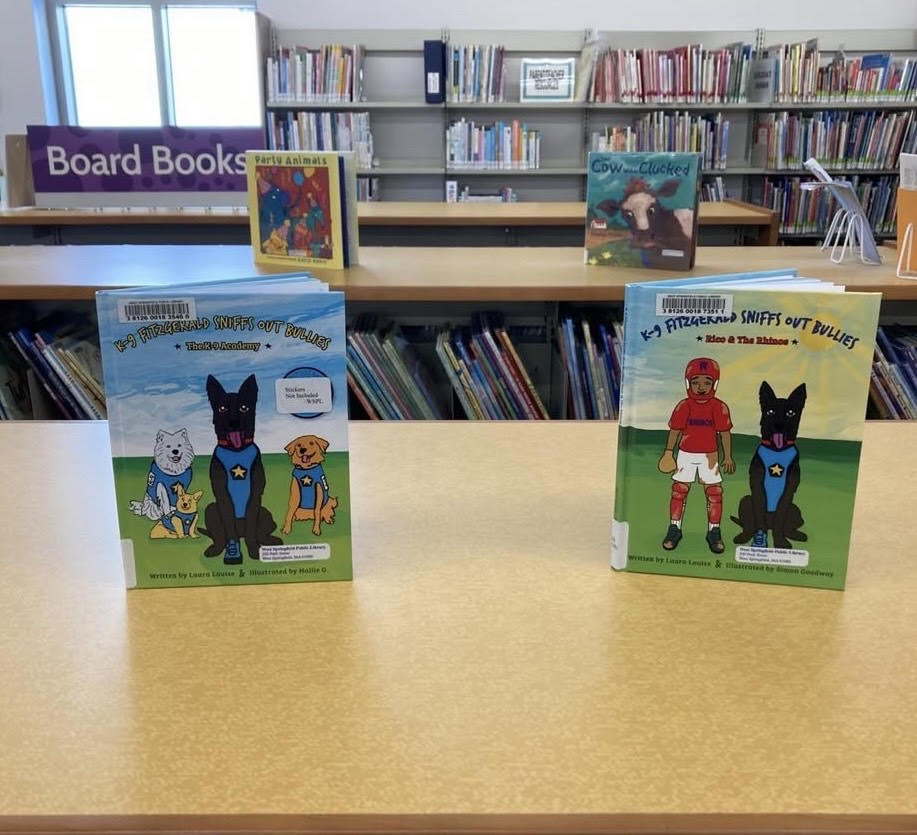
With many challenges and rapid changes of our modern world, books that carry positive messages can profoundly impact children. These stories do more than entertain—they help lay the groundwork for resilience, empathy, and a lifelong love of learning. By introducing young readers to narratives that celebrate kindness, determination, and hope, we equip them with the mindset needed to tackle everyday obstacles.
Strengthening Language and Cognitive Growth
Numerous studies show that regular reading aloud to children is essential for developing language skills and nurturing cognitive abilities. When caregivers share stories that emphasize uplifting themes, children not only acquire new vocabulary but also learn to think positively about challenges. Researcher’s from the Ohio State University reveal that children who have parent’s read five books to them daily have heard 1.4 million additional words before the time they get to kindergarten. This is compared to those who are rarely read to (Grabmeier, 2019). Having an enriched linguistic environment lays a strong foundation for effective communication and academic success.
Nurturing Emotional and Social Well-Being
Uplifting books offer more than language lessons; they provide a secure space for children to explore their feelings and develop empathy. Such narratives illustrate that obstacles can be overcome, fostering resilience and a growth mindset. One study reported that 91% of children aged 5 to 12 who read for pleasure experience higher levels of happiness compared to those who do not (SWNS, 2023). Additionally, sharing these reading moments can deepen family connections and create lasting, positive memories.
Boosting Academic Performance in Children
The impact of positive reading experiences extends into the classroom as well. Children who regularly engage with encouraging stories tend to demonstrate improved reading comprehension, better retention of information, and a heightened desire to learn. Initiatives like Reach Out and Read seamlessly incorporate literacy promotion into pediatric care. Evidence shows that participating children enter kindergarten with larger vocabularies. They also have more robust language skills (American Academy of Pediatrics, 2014). Fostering an early passion for reading ultimately paves the way for academic excellence across various subjects.
Real-World Impact: Key Statistics
Books with positive messages make a measurable difference in young lives. Consider these striking figures:
- Word Exposure: Regular reading can expose children to up to 1.4 million more words by kindergarten than if they are rarely read to (Grabmeier, 2019).
- Enhanced Happiness: Research indicates that 91% of children who frequently read for fun report higher levels of happiness (SWNS, 2023).
- Widespread Support: Programs like Reach Out and Read distribute millions of books each year, reflecting a strong national commitment to early literacy and positive development (American Academy of Pediatrics, 2014).
Encouraging a Love of Reading at Home
Making reading a joyful and interactive habit is vital for parents and educators. Here are some practical tips:
- Select Uplifting, Age-Appropriate Books: Choose stories that celebrate kindness, perseverance, and self-confidence.
- Engage in Interactive Reading: Ask open-ended questions about the story. Invite your child to share their thoughts about the characters’ actions.
- Establish a Consistent Routine: Regular reading sessions—whether at bedtime or during quiet afternoons—help build strong, lasting habits.
- Set an Example: Let your child see you enjoying your own reading time. Your enthusiasm will inspire them to follow suit.
In conclusion, books that convey positive messages are far more than simple stories—they are powerful instruments for developing resilience, empathy, and robust language skills. By weaving these uplifting narratives into everyday reading routines, we help children not only gain knowledge about the world but also build the inner strength to create a better future. In our fast-changing world, nurturing optimism and emotional well-being through reading remains one of the best investments in our children’s growth.
References
American Academy of Pediatrics. (2014). Literacy promotion: An essential component of primary care pediatric practice. Pediatrics, 134(2), 404–409. https://pediatrics.aappublications.org/content/134/2/404
Grabmeier, J. (2019, April 09). The importance of reading to kids daily. The Ohio State University – Education and Human Ecology. https://ehe.osu.edu/news/listing/importance-reading-kids-daily-0
SWNS. (2023, August 25). Study finds the positive effects reading has on kids. New York Post. https://nypost.com/2023/08/25/study-finds-the-positive-effects-reading-has-on-kids/





 LauraLouiseBooks.com
We’d love to hear from you!